The Festival That Closed Its Doors
Manchester Animation Festival will not accept generative AI films from 2027. What the decision protects, how far the rule reaches, and what it means for AI-native filmmakers.

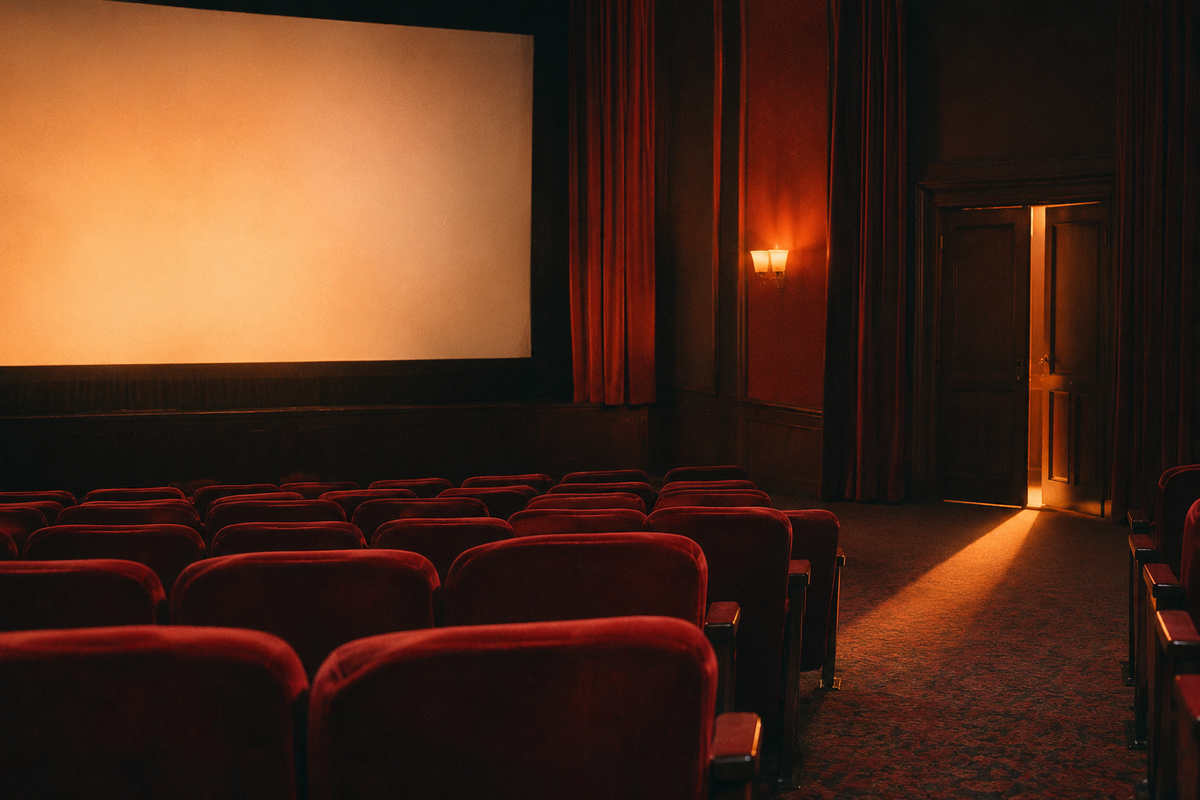
The UK's most prestigious animation festival will not accept films made with generative AI from 2027. What it protects, and what it leaves outside.
One week after AI music held its first awards night in Los Angeles, a festival across the Atlantic made the opposite decision.
Manchester Animation Festival, the UK's only Oscar- and BAFTA-qualifying animation event, has announced that from its 2027 competition onward it will no longer accept films created using generative AI. The policy arrived with the opening of next year's call for entries, at the close of the festival's largest edition to date: five days in November and nearly 12,000 admissions.
A line drawn around the hand
The festival framed the decision as a statement of values rather than a technical rule. Its director, Steve Henderson, said the policy "puts artists first," and that the aim is to stand by the people who make animation a human art form.
It is easy to see why the announcement landed where it did. Animation is among the most labour-intensive crafts in film. A single short can represent years of drawing, modelling and frame-by-frame decisions. For many in that community, generative tools feel less like a new brush than a shortcut around the work itself.
How far the rule reaches
The festival's own submission rules are stricter than the headlines suggest. If any part of the final moving image has been generated or transformed by a generative audio, image or video model, the film is ineligible.
That reaches well beyond fully AI-made films. Much of today's AI-native filmmaking is hybrid: hand-built characters, AI-assisted backgrounds, human editing and scoring. Under Manchester's wording, a single AI-generated environment would be enough to rule a film out. The festival also warns that such entries may not be watched at all, and that entry fees will not be refunded. The rules do not address AI used away from the final image, such as in research or planning.
Two rooms, one conversation
The AI-native creative world now has two kinds of rooms. Some are built for it, like the dedicated AI film festivals and last week's AI music awards. Others, like Manchester, are choosing to stay human by design.
Neither room cancels the other. A festival is a point of view, and a clear one is useful. Creators now know exactly which doors are open, and which stages they may need to build for themselves.
Why it matters
Recognition shapes careers. When a qualifying festival closes its doors, it changes where AI-native filmmakers can earn the laurels that lead to distribution, funding and awards. It also raises the standard for everyone else: transparency about process is quickly becoming the price of entry. The creators who can show their hand, literally, in their work will move most freely between both rooms.
The Brief is Haute Code's weekly look at the news shaping the AI-native world.