AI Music Gets Its Red Carpet
The first AI Music Awards were held in Los Angeles. What the night, and SIQA's charts, tell us about authorship in AI music.

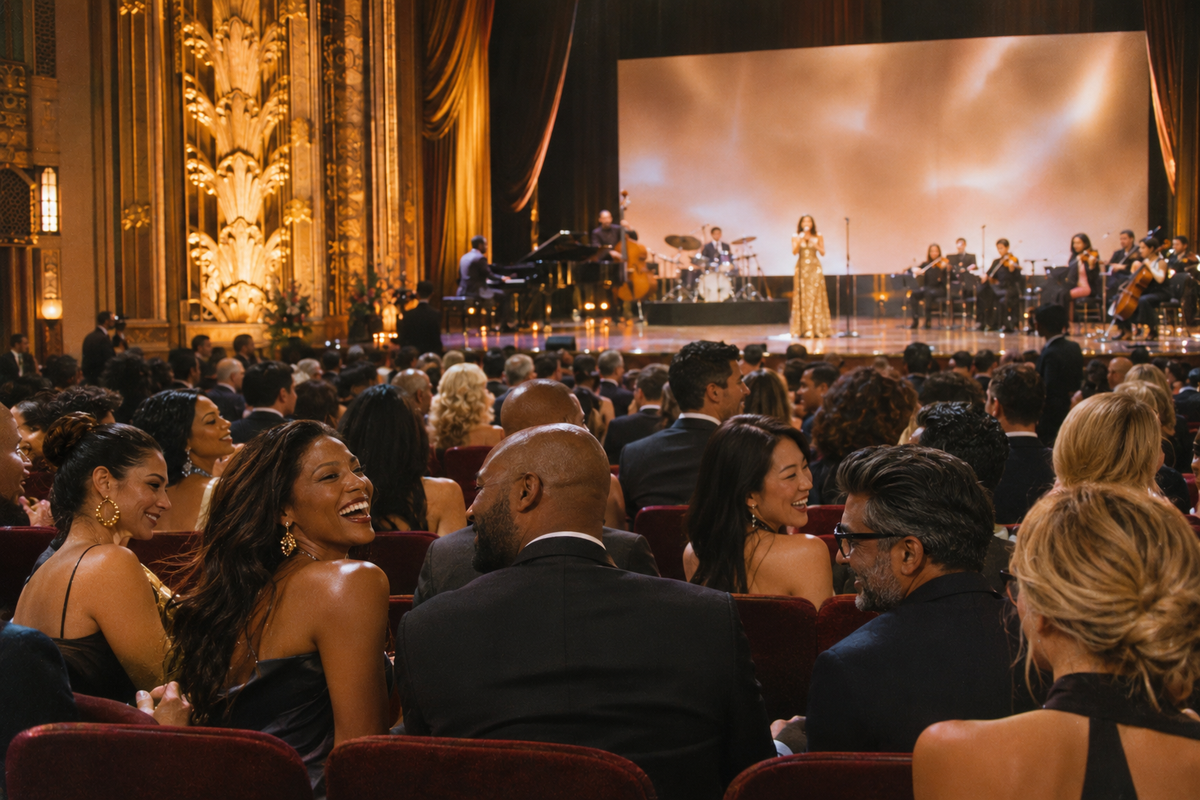
At a 1927 theater in Downtown Los Angeles, the first AI Music Awards crowned a winner and asked a larger question: who gets to be called an artist?
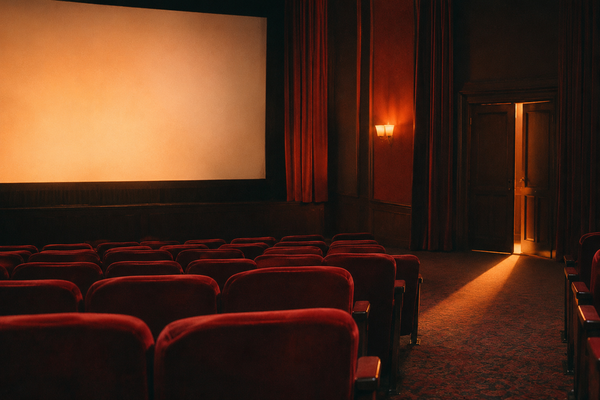
On Friday night, the Sonic Intelligence Academy, known as SIQA, held the first AI Music Awards at The Mayan, a 1927 landmark theater in Downtown Los Angeles. There was a red carpet, a live band, a worldwide stream, and a stage built for performances in which human creators directed their AI artists in front of a live audience.
According to Reuters, the night's three largest prizes, AI Artist, AI Song and AI Album of the Year, all went to a single artist. Behind her is a songwriter who has said she writes every lyric herself and uses AI to set her words to music. It is a fitting first winner for an awards show built on the idea that there is still a person behind the work.
Verified, not flagged
What makes SIQA different is how it decides what counts. Rather than trying to detect AI after the fact, it asks creators to disclose how a song was made, then reviews and classifies it in one of three tiers: AI-Assisted, Human + AI Hybrid, or Fully AI-Generated. Nominees came from artists verified in that registry, and most winners were chosen by those artists themselves.
What the charts are telling us
SIQA's mid-year report offered a quieter headline. Among the songs submitted to its charts, fully AI-generated tracks fell to 13.9 percent. More creators are choosing to direct the work themselves, writing the lyrics, shaping the voice, and using AI as an instrument rather than a replacement. It is a portrait of the creators who submit to SIQA rather than of all AI music, but the direction is clear.
The line is being drawn elsewhere too
The awards arrive in a year when the traditional industry has been setting its own boundaries. Leading labels have proposed that only music that is "substantially human made" should qualify for official charts, and Australia's official charts have already excluded fully AI-generated songs. Two systems are taking shape side by side: one that keeps AI out, and one that asks it to declare itself.
Why it matters
For the creators we cover, the message is simple. Authorship is becoming something you can show. The artists who are open about their process, and who put their own voice, words and vision at the center, are the ones being recognized.
We will be following SIQA's charts in the months ahead.
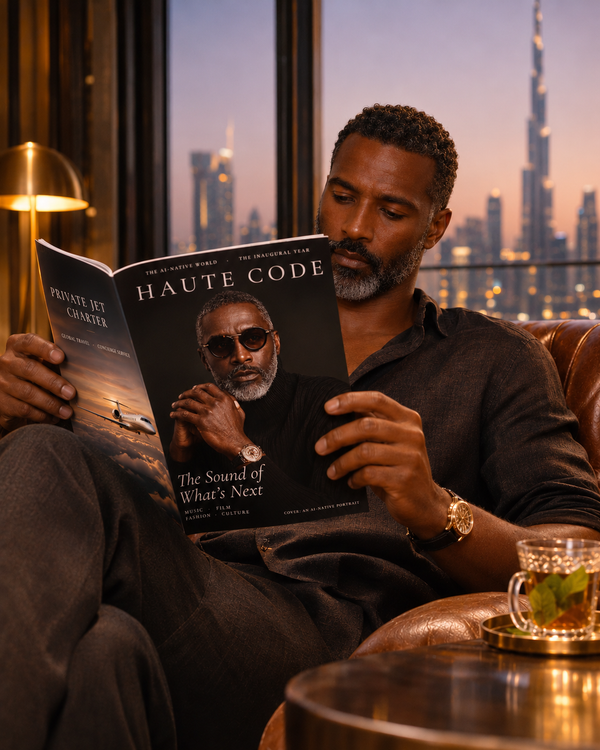
The Brief is Haute Code's weekly look at the news shaping the AI-native world.