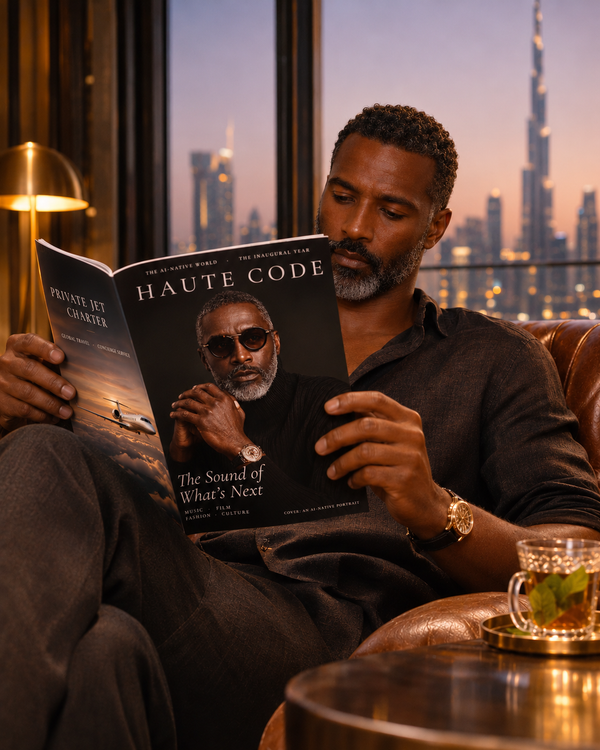
Worlds in Motion
AI cinema had its festival year. The films that won were not the most spectacular, but the most human.

The most celebrated AI film of the year is about a dancer.
A Face Only A Mother Could Love, by the Canadian filmmaker Robert Gaudette, follows a performer living with a facial disfigurement. It runs under eight minutes. In June it took the Grand Prix at Runway's AI Festival, screened at Lincoln Center in New York, and in September it won again in Venice, at the Reply AI Film Festival held during the Venice International Film Festival. Two juries, months apart, reached for the same small, tender story.
That tells us something about where cinema made with these new tools is going.
The year the festivals arrived
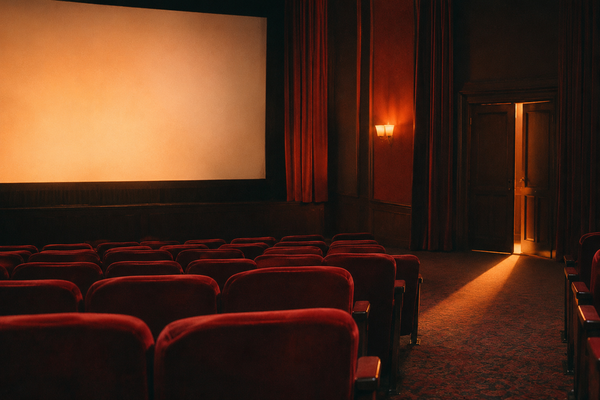
In 2026, AI cinema stopped being a curiosity on social feeds and became a festival circuit. The first Astana AI Film Festival drew more than 8,000 entries from 125 countries and awarded a $450,000 Grand Prix to the Latvian filmmaker Nikolay Shestak for The First Honest Day. In Cannes, the World AI Film Festival gave its top prize to Costa Verde, a short about childhood by the French writer-director Léo Cannone. Runway's festival added categories for fashion, design and advertising, a sign that the moving image is no longer one discipline but many.
The juries were serious, too. In Venice, the Oscar-winning director Gabriele Salvatores led the panel. These were not technology demonstrations judged by technologists. They were films judged as films.
What the winners shared
Look across the year's top prizes and a pattern appears. The winning films were short, most of them under ten minutes. They were personal: a childhood, a body, an ordinary day. And they were made by people with a point of view, not by the most powerful tools. One Astana prizewinner, the Spanish filmmaker Ernest Desumbila, finished his film in ten days.
The tools changed. The craft did not. Story, rhythm, performance and the decision of where to put the camera still separate a film that moves us from one that merely impresses.
The set is still a room full of people
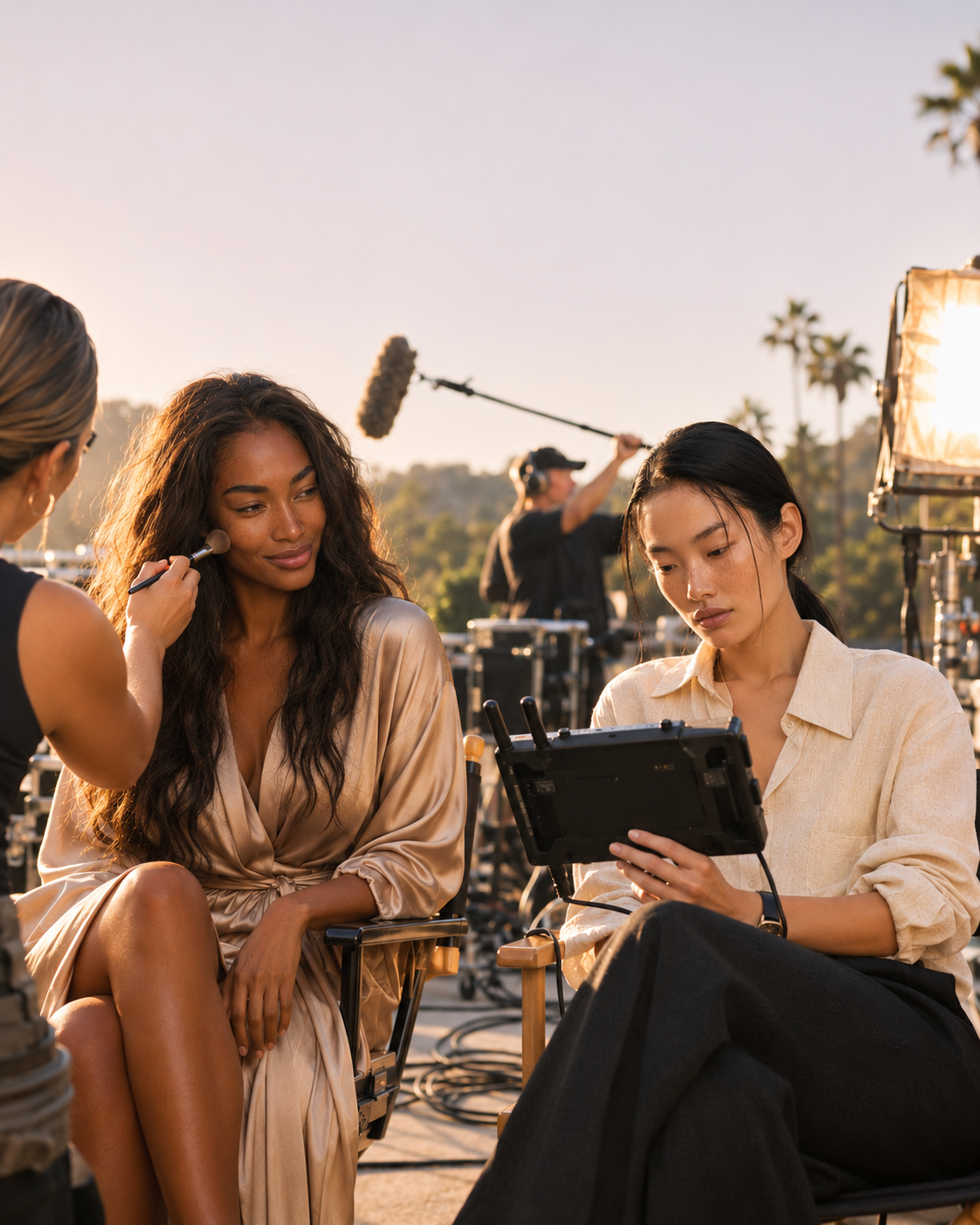
It is tempting to imagine AI cinema as one person alone at a screen. The reality is closer to the image on our cover: a director studying a monitor, an actor in the makeup chair, a crew holding the light. The tools have shrunk the size of the room, but not emptied it. Writers, editors, composers, designers and performers still shape every frame worth watching.
That is also why the hardest questions in this field are human ones. When the AI performer Tilly Norwood was presented as an actress seeking representation, actors and their union objected loudly. Their concern was not new technology itself, but consent, credit and whose work stands behind a performance. Those questions will shape this cinema as much as any new model.
What comes next
The next great AI film is unlikely to be the most technically astonishing. It will be the one that makes an audience forget how it was made. That has always been the test of cinema, whatever the camera.
Haute Code will be in the audience, and naming the people behind the frame.
The Haute Code editors